Automated CNC Machine Tending
Fully automated CNC manufacturing workflow using a UR10e collaborative robot for workpiece loading, centering, unloading, ultrasonic cleaning, and palletized storage. Operating in industrial production since 2022.
rawdev develops robotic applications, automation systems, electrical solutions, and custom web applications for industry and research.
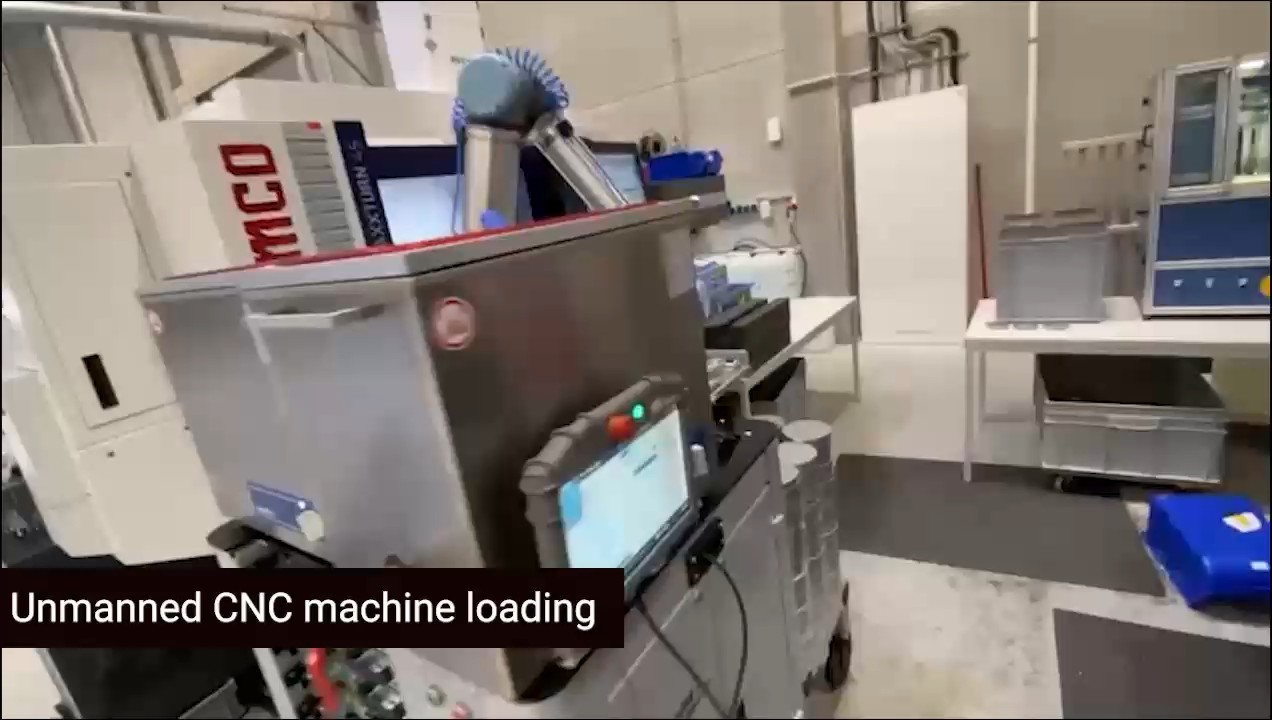
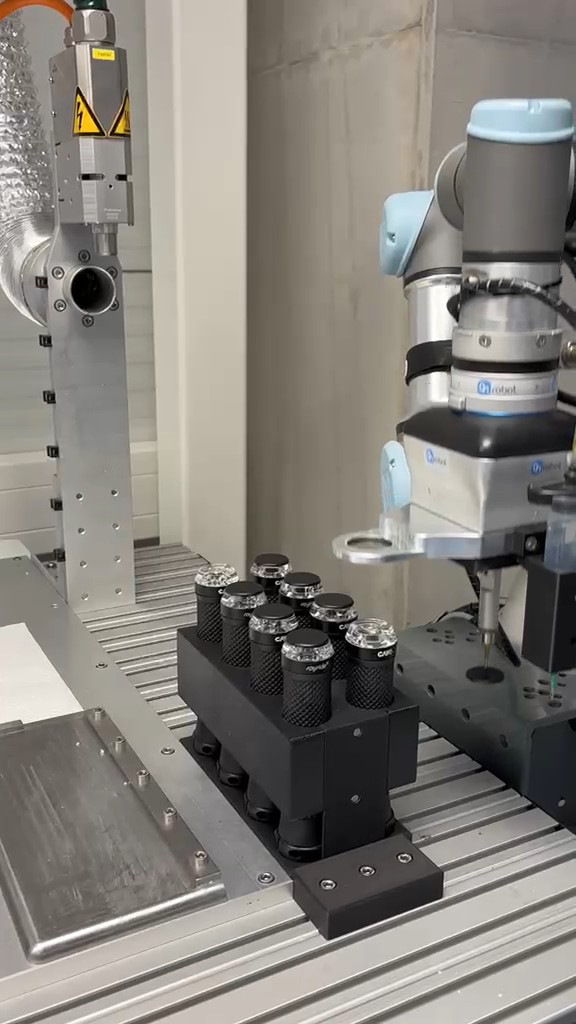
A collaborative robot loads and unloads a CNC machine, running unattended through full production cycles.
View projectA robotic gripper picks, positions, and assembles small indicator components on a test fixture.
View project
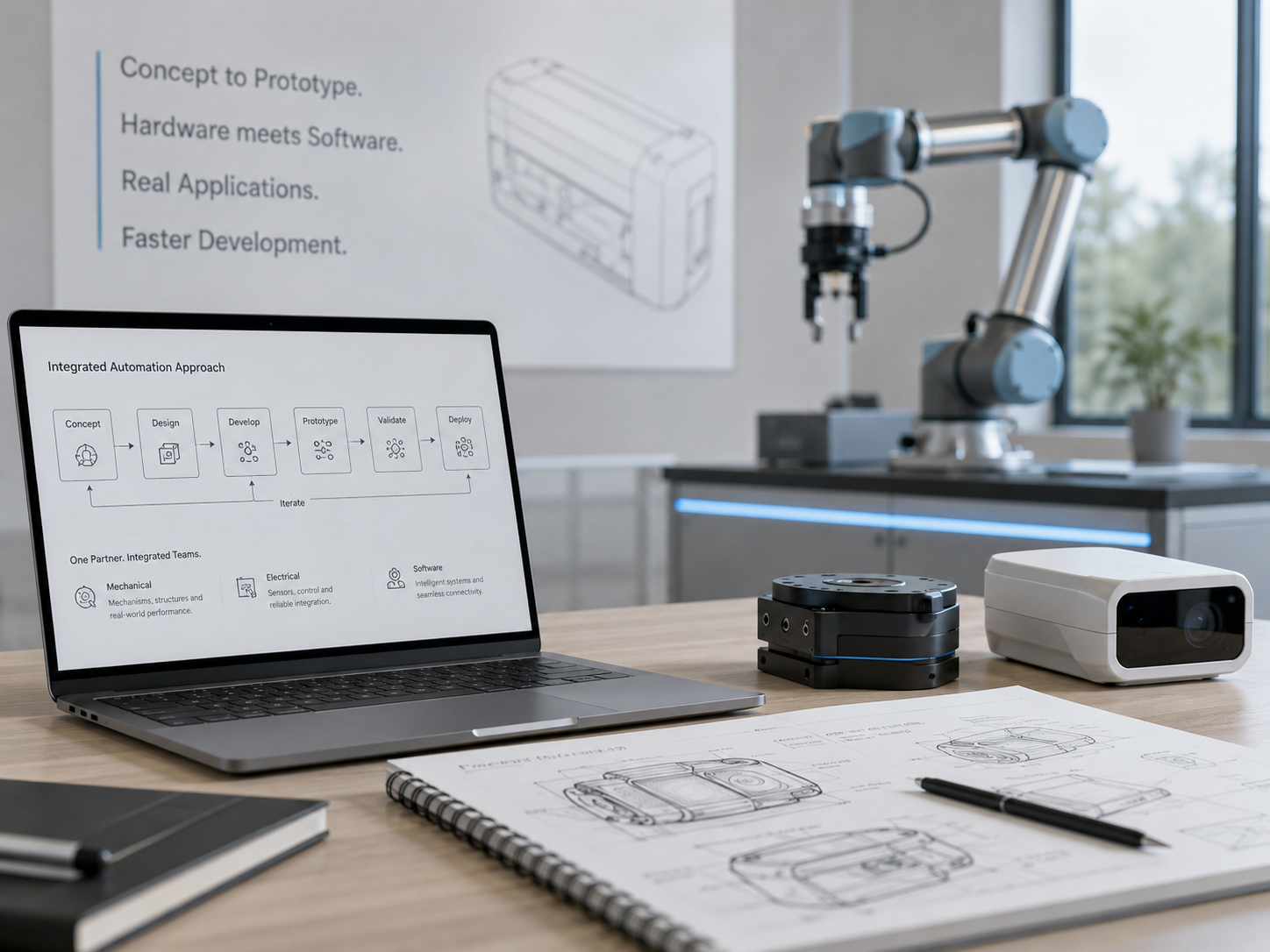
rawdev combines mechanical engineering, robotics, sensors, electrical systems, artificial intelligence, and software development. This allows us to create solutions in which hardware and software are designed as one integrated system.
Development, integration, testing, and validation from a single source.
Robots, sensors, electronics, data processing, and user interfaces work together.
Practical solutions designed around actual production processes and technical requirements.
Custom parts can be designed, manufactured, tested, and revised directly within the project, reducing coordination effort between mechanical design, electronics, robotics, and software.

Development and integration of robotic systems for handling, assembly, inspection, and research applications.

Automation of manual, repetitive, difficult, or quality-critical production processes.

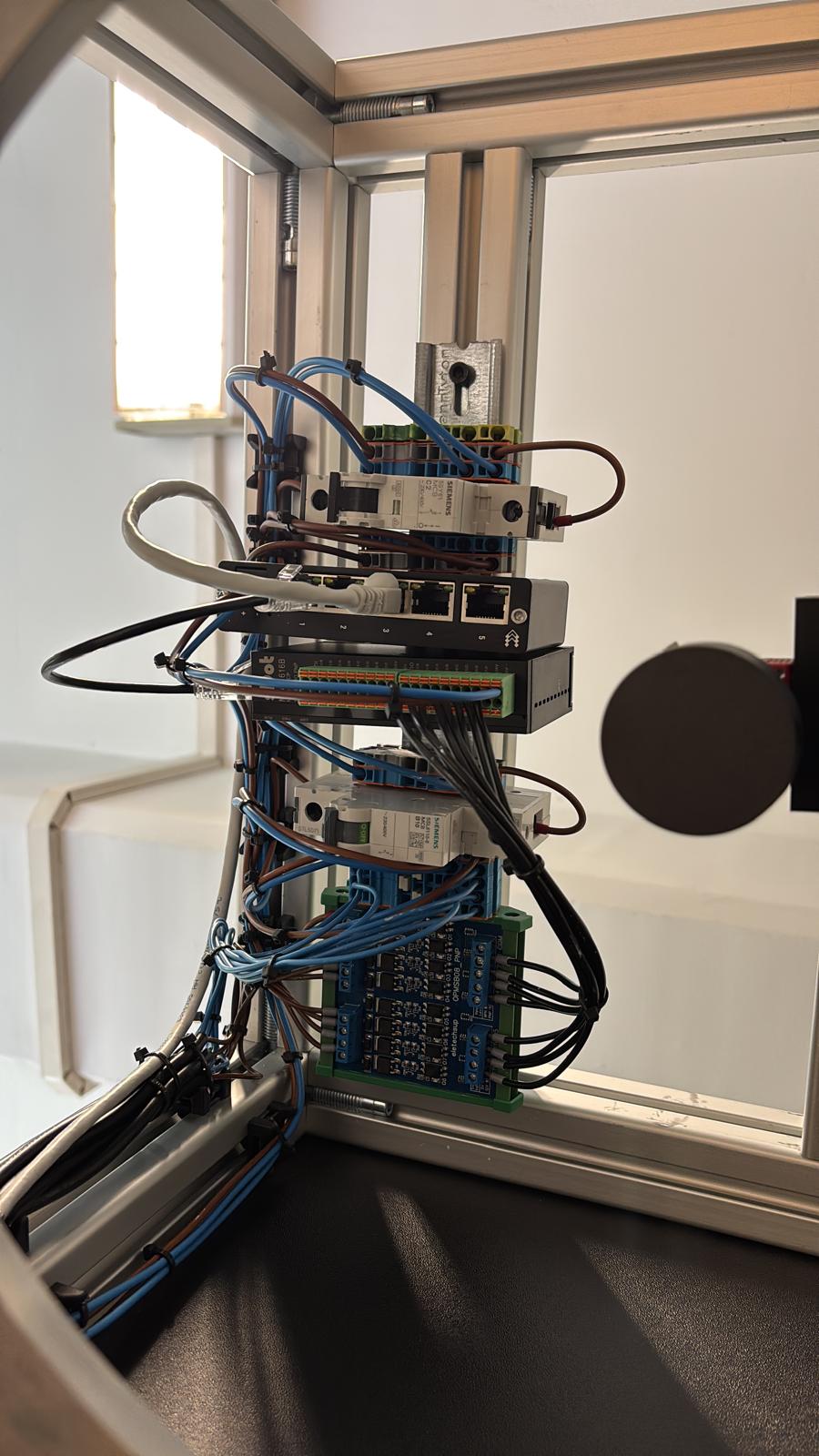
Development and integration of electrical, electronic, and sensor-based systems.

Design and in-house production of custom components for machines, robotic systems, test setups, prototypes, and small-series applications.
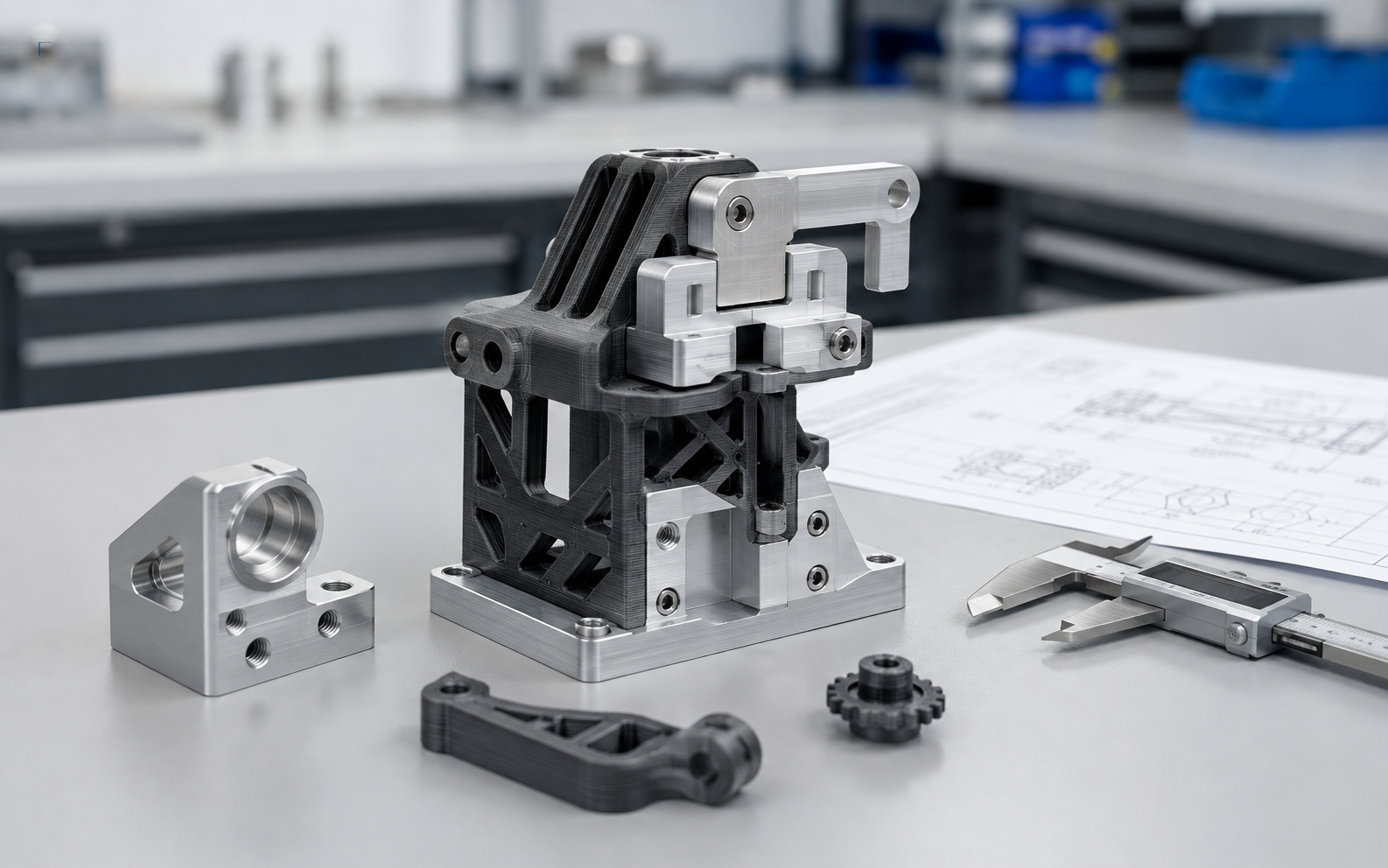
rawdev designs and manufactures custom mechanical components for prototypes, robotic systems, automation equipment, sensor setups, and technical products. By combining CAD, CNC milling, and high-quality 3D printing, components can be developed, tested, improved, and integrated without long external development loops.

Define mechanical, functional, environmental, and integration requirements.
Develop the component with the surrounding system, assembly, and manufacturing process in mind.
Choose CNC milling, 3D printing, or a combination depending on material, geometry, accuracy, strength, and use.
Manufacture the component in-house.
Validate fit, function, stiffness, accessibility, and integration.
Install the component into the robot, machine, test setup, sensor system, or customer application.
CNC milling is used for precise and durable mechanical components, adapters, fixtures, brackets, housings, and prototypes, designed specifically for the surrounding assembly and manufactured according to the application's functional requirements.

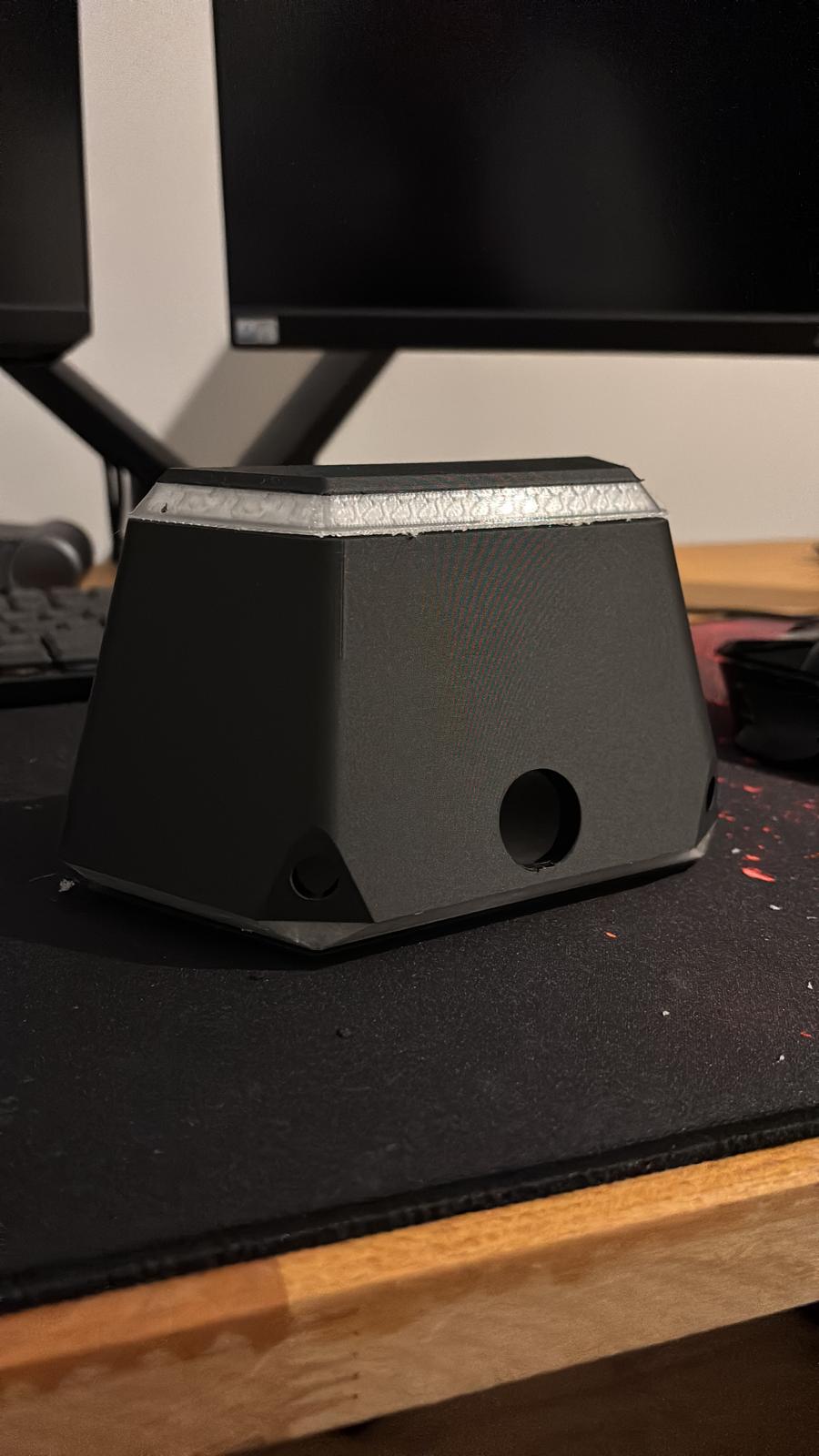
High-quality 3D printing enables fast and cost-effective production of complex geometries, functional prototypes, housings, fixtures, and application-specific components — particularly suited to rapid development cycles and low-volume production.

High stiffness, metallic components, precise interfaces, mechanical loads, and durable production-ready parts.
Fast prototypes, complex geometry, low quantities, evolving designs, and lightweight or customised parts.
Systems combining precise metal interfaces with customised printed geometry, mixed materials, or a prototype later upgraded with stronger components.

Send us your idea, drawing, CAD model, or technical requirements. We can support you from the first design through manufacturing and integration.

Fully automated CNC manufacturing workflow using a UR10e collaborative robot for workpiece loading, centering, unloading, ultrasonic cleaning, and palletized storage. Operating in industrial production since 2022.

Development of a partially automated assembly process for mo.blaze tens motorcycle indicators, integrating plasma surface treatment, adhesive application, and precision glass-body insertion. The solution reduced defective parts by approximately 30%.
Custom laser-based measurement system for motorcycle mirror assembly. The device measures difficult-to-access dimensions with 0.05 mm accuracy and automatically determines the required number of springs and spacers.
Development of a custom camera positioning system for AI-assisted inspection of industrial containers in pharmaceutical manufacturing. The system enables visual detection and localization of residual contamination after cleaning.

Integration of a collaborative robot with a custom-designed gripper and conveyor system to automate the unloading of injection-molded motorcycle indicator components, enabling continuous 24/5 production.
Development of compact, product-specific electronic testing systems that combine electrical measurements, functional verification, and firmware programming to detect defective PCBs before final product assembly.
Development and manufacturing of custom 3D-printed fixtures for mo.blaze tens motorcycle indicators, supporting manual potting, oven curing, and subsequent robotic glass-body assembly.
Analyse the process, technical requirements, constraints, and desired outcome.
Develop and compare suitable mechanical, electrical, robotic, and software concepts.
Develop the CAD design and produce functional components using CNC milling or high-quality 3D printing, tested together with the electronics, robot, sensors, and software.
Test the solution under realistic conditions and evaluate measurable results.
Prepare the system for use in the customer's technical environment.
rawdev is closely connected to current research in robotics, automation, machine perception, intelligent grasping, and human–robot interaction. Scientific methods are translated into practical solutions for real engineering challenges.
Georg Siegemund, Frederik Hoeft, Arne Glodde, Franz Dietrich
Georg Siegemund, Florian Hecht, Franz Dietrich
Tristan Fogt, Louis Hardinghaus, Georg Siegemund, Timon Adler, Holger Kunz, Arne Glodde, Sina Rahlfs, Franz Dietrich
Georg Siegemund, Alejandro Díaz Rosales, Arne Glodde, Franz Dietrich, Luka Peternel
Georg Siegemund is a mechanical engineer and researcher specialising in robotics, industrial automation, machine vision, sensor systems, and intelligent production technologies. His work combines scientific research with practical engineering and software development.
Tell us about your production process, robotic application, technical challenge, or software idea. We will evaluate how robotics, automation, electronics, or web technologies can provide a practical solution.